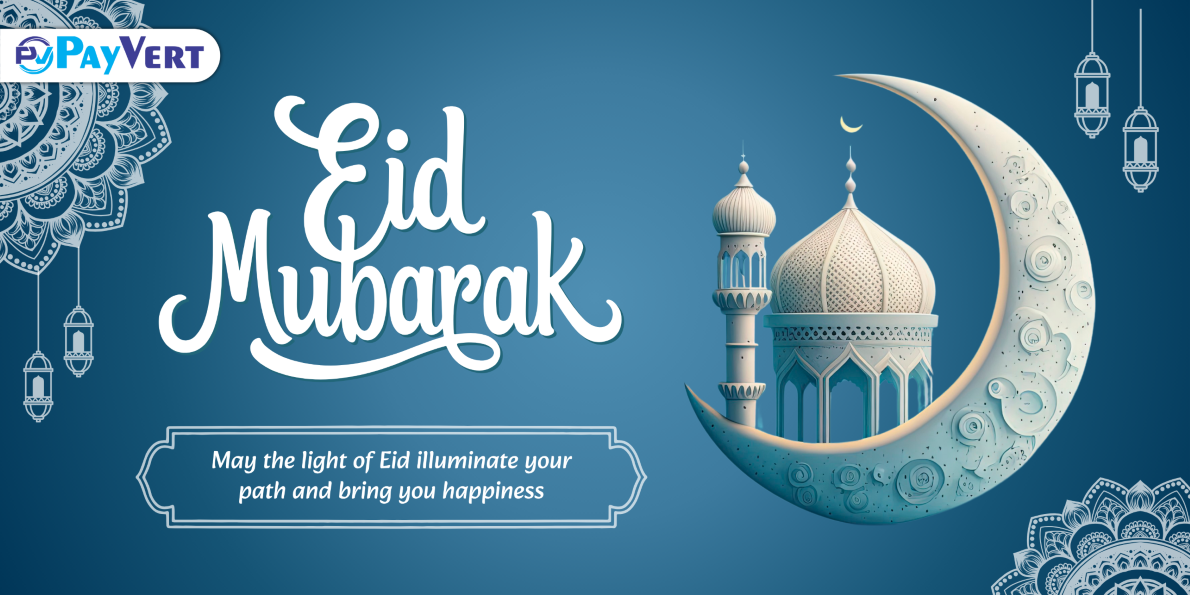
Eid-ul-Adha, also known as the Festival of Sacrifice, is one of the most sacred and significant celebrations in the Islamic calendar. Observed by Muslims across the globe, this powerful holiday commemorates an unwavering act of faith and reminds us of the values of obedience, compassion, and community.
It is a day of joy, reflection, and giving one that brings families, neighbors, and nations together in gratitude and generosity.
THE ORIGIN OF EID-UL-ADHA: A LEGACY OF FAITH!
The story of Eid-ul-Adha is rooted in the profound story of Prophet Ibrahim (Abraham). A central figure in Islam, Christianity, and Judaism.
According to Islamic tradition, Prophet Ibrahim received a divine command in a dream, asking him to sacrifice his beloved son, Ismail (Ishmael), as a test of faith. Despite the immense personal pain it would bring, Ibrahim prepared to carry out the command. Just as he was about to do so, Allah (God) intervened and replaced Ismail with a ram, sparing the child and rewarding Ibrahim's unwavering devotion.
This act of submission to God’s will is honored and remembered by Muslims every year during Eid-ul-Adha, falling on the 10th day of Dhul Hijjah, the final month of the Islamic lunar calendar.
It also coincides with the Hajj pilgrimage, a spiritual journey to Mecca that every Muslim who is physically and financially able is expected to perform at least once in their lifetime.
WHAT EID-UL-ADHA SYMBOLIZES.
Eid-ul-Adha is not only about the historical sacrifice, it’s about the values it represents:
Obedience and trust in God’s plan
Willingness to let go of personal attachments for a greater cause
The importance of faith and devotion
Compassion for others and responsibility toward the community
HOW EID-UL-ADHA IS CELEBRATED!
Eid-ul-Adha is observed with both spiritual and social traditions that reflect the heart of the occasion.
1. Eid Prayers (Salat al-Eid)
Early in the morning, Muslims gather at mosques and open fields to perform special congregational prayers. The sermon that follows often speaks about the meaning of sacrifice, unity, and piety.
2. The Qurbani (Sacrifice)
The highlight of the celebration is the ritual sacrifice of an animal — usually a ram, goat, cow, or camel to symbolize Prophet Ibrahim’s devotion. The meat is then divided into three parts:
One-third for the family
One-third for relatives and friends
One-third for the poor and needy
This act reflects selflessness, sharing, and community support, especially toward those in need.
3. Family Gatherings and Feasting
Families come together to share meals, visit relatives, and celebrate with joy. Traditional dishes vary across cultures, but the essence is the same: food, love, and thankfulness.
4. Giving to Charity (Zakat and Sadaqah)
In the spirit of sacrifice and generosity, many people use this occasion to donate to charities, sponsor community meals, or support the less privileged — reinforcing the idea that no one should be left out of the celebration.
5. Gifting and Connecting
People exchange gifts, greetings, and support, especially to the elderly, children, and loved ones far away. In today’s digital world, even those who cannot be physically present find ways to connect and give through financial transfers and digital platforms.
EID-UL-ADHA AROUND THE WORLD
While the core religious practices are the same, the cultural expressions of Eid-ul-Adha vary from country to country:
In Nigeria and Ghana, communities come together in vibrant attire, with large gatherings and festive meals.
In Saudi Arabia, Eid is deeply tied to Hajj and marked by simplicity and spiritual focus.
In India, Pakistan, Egypt, Indonesia, and many other countries, public prayers, food distributions, and family traditions bring millions together.
Despite these differences, the spirit of Eid is universal: one of devotion, sharing, and unity.
MODERN GIVING WITH PLATFORMS LIKE PAYVERT
As traditions evolve in a digital age, platforms like PayVert help make giving easier, faster, and more impactful during Eid:
Send money to loved ones back home, no matter where you are in the world
Support Qurbani (sacrifice donations) by sending funds to family or trusted vendors
Top up airtime or send gift cards instantly to those you care about
Give Zakat or Sadaqah with transparency and speed
With PayVert, your generosity reaches those who need it — safely, instantly, and globally.
A MESSAGE OF PEACE AND GRATITUDE.
As we gather for Eid-ul-Adha, let us remember:
The power of faith in uncertain times
The beauty of giving without expecting
The strength of unity in our diverse communities
In a world that often emphasizes material gain, Eid reminds us that the greatest rewards come from love, sacrifice, and service to others.
EID MUBARAK FROM ALL OF US AT PAYVERT!
To our Muslim brothers and sisters around the world:
May your homes be filled with joy, your hearts with peace, and your hands with generosity.
Eid Mubarak!
Wishing you a blessed and meaningful Eid-ul-Adha.